Every girl deserves the opportunity to learn, live free from violence, participate in decisions that affect her life and pursue her aspirations without discrimination. Yet, many girls in South Sudan continue to face barriers that undermine their rights, safety and opportunities.
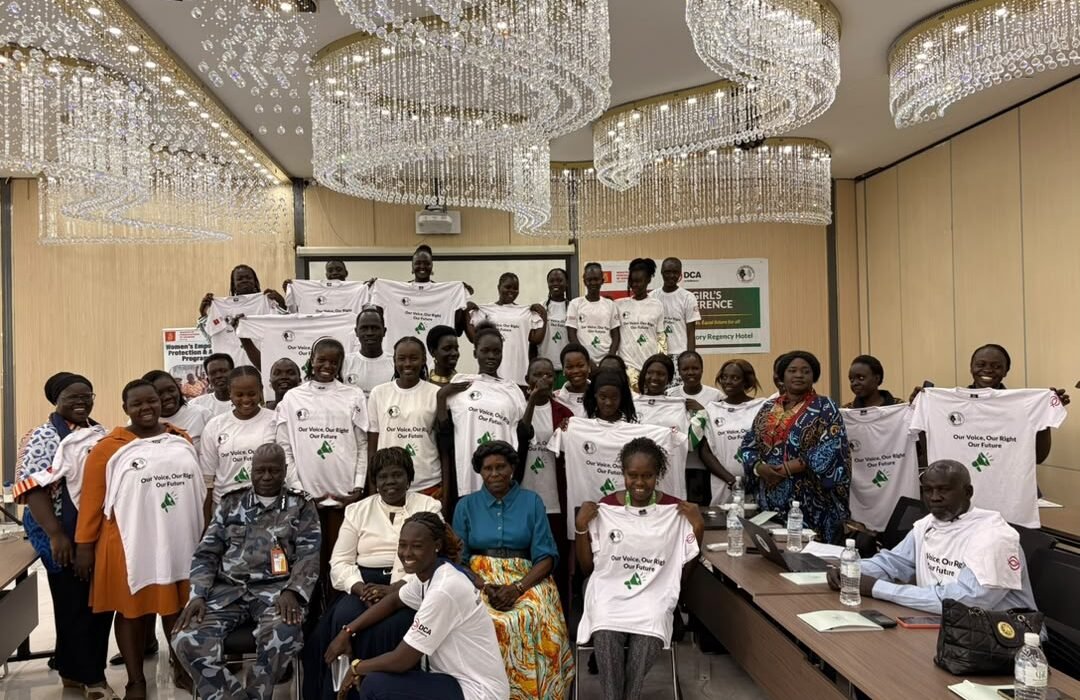
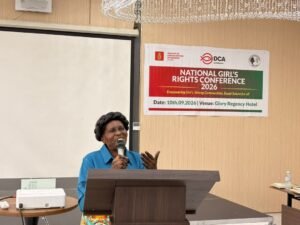
Recognizing the importance of creating spaces where girls can speak, engage and influence decisions, Global Voices Organization (GVO), with support from DanChurchAid (DCA) under the DANIDA-funded Women’s Empowerment, Protection and Advocacy Programming, convened a two-day National Girls’ Rights Conference and Creative Advocacy Forum in Juba, South Sudan. Held under the theme “Our Voice, Our Rights, Our Future,” the conference brought together girls and young women, government representatives, legislators, justice actors, civil society organizations, women’s rights advocates, community leaders and other stakeholders to discuss issues affecting girls’ rights, protection, education, leadership and economic empowerment.
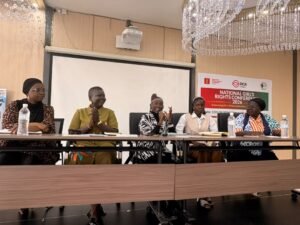
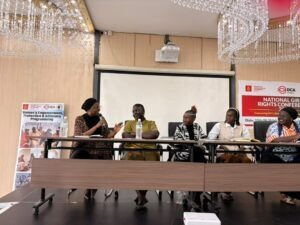
The conference provided a platform for girls and young women to share their lived experiences, raise concerns and present recommendations directly to duty bearers and decision-makers. An intergenerational panel discussion brought together women’s rights advocates and young women leaders to examine the challenges affecting girls in South Sudan and identify practical ways to strengthen their protection and participation.
Discussions highlighted several concerns, including early and forced marriage, gender-based violence (GBV), sexual harassment and exploitation in universities, limited access to education, inadequate school facilities, menstrual hygiene challenges and barriers to economic opportunities.
Particular attention was given to concerns about sexual harassment in higher-learning institutions, where female students reportedly face inappropriate advances and pressure to exchange sexual favors for academic marks. Participants called for confidential reporting mechanisms, protection from retaliation, fair investigations and stronger institutional accountability.
The discussions also emphasized that girls in rural communities face additional barriers, including long distances to schools, inadequate sanitation facilities, limited menstrual hygiene materials and pressure to enter early marriages. Beyond panel discussions, the second day focused on creative advocacy as a means of communicating issues affecting girls and encouraging positive social change.
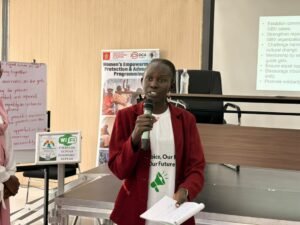
Through poetry, storytelling and interactive group discussions, girls expressed their experiences, aspirations and concerns about education, GBV, early marriage, discrimination and meaningful participation.
The role of social and traditional media in advancing girls’ rights was another key area of discussion. Participants were encouraged to use digital platforms to raise awareness, share positive messages, showcase their talents, build solidarity and advocate for justice.
At the same time, the conference highlighted the growing risks of online harassment, cyberbullying, misuse of personal information and technology-facilitated gender-based violence. Girls were encouraged to practice safe digital behavior, protect their personal information and seek support when experiencing online abuse.
The conference also recognized the importance of expanding opportunities for girls and young women beyond education and protection. Discussions explored entrepreneurship, vocational skills, financial literacy, mentorship, access to business opportunities and sustainable livelihoods.
Participants emphasized the need to share information about scholarships, training opportunities, business grants and employment opportunities more widely.
The importance of including girls and young women with disabilities in education, leadership, advocacy and decision-making was equally emphasized. Participants called for accessible platforms where girls with disabilities can directly express their experiences and influence decisions affecting their lives.
Key outcomes
The two-day conference strengthened awareness of girls’ rights, encouraged meaningful participation and provided an opportunity for stakeholders to identify practical actions towards improving girls’ protection and empowerment.
Among the key recommendations were:
- Strengthening access to quality education and ensuring safe, inclusive learning environments.
- Improving prevention and response mechanisms for GBV, early marriage and sexual harassment.
- Promoting girls’ leadership, mentorship and participation in decision-making.
- Strengthening digital safety awareness and responsible social media use.
- Expanding economic empowerment opportunities through vocational training, entrepreneurship and financial literacy.
- Ensuring meaningful inclusion of girls with disabilities in advocacy and development initiatives.
- Strengthening coordination between government institutions, civil society organizations, educational institutions and development partners.
- Following up on conference recommendations through joint advocacy and institutional engagement.
The conference also recognized the Ministry of Gender, Child and Social Welfare as an important partner in advancing girls’ rights and highlighted opportunities for further engagement with relevant government institutions, including the Ministry of General Education and Instruction.
The National Girls’ Rights Conference and Creative Advocacy Forum reaffirmed that protecting and empowering girls requires collective responsibility. Government institutions, families, communities, educational institutions, civil society organizations, the media and development partners all have an important role to play.
For Global Voices Organization, creating platforms where girls can speak, participate and engage with decision-makers remains an important part of advancing gender equality, protection and access to justice in South Sudan.
The voices shared during the conference should not end with the discussions. They must inform advocacy, strengthen accountability and contribute to practical actions that improve the lives of girls.
Our Voice. Our Rights. Our Future.
Every girl deserves to be protected, educated, empowered and heard.